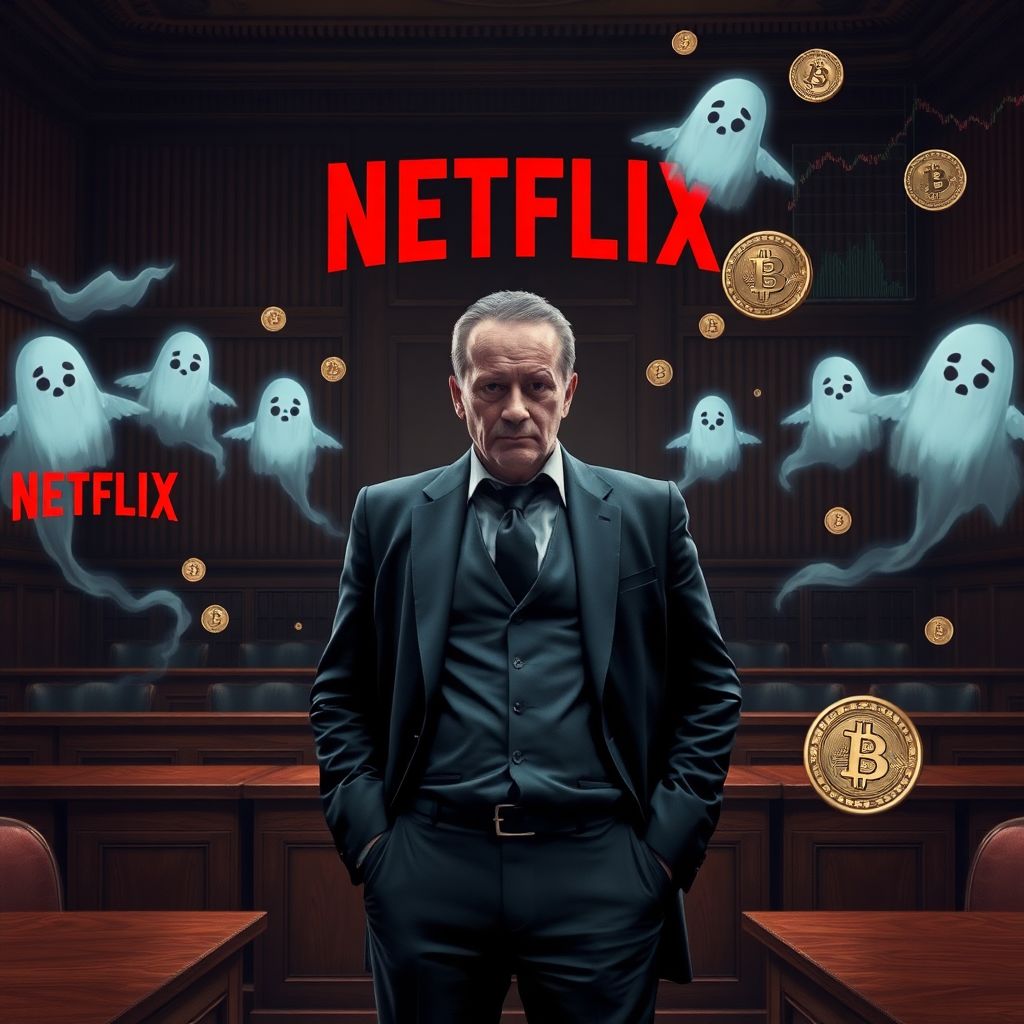
’47 Ronin’ filmmaker Carl Erik Rinsch has been sentenced to two and a half years in federal prison after turning Netflix production money into a personal crypto and stock options betting spree.
The director, best known for the Keanu Reeves-led fantasy film, received a 30‑month prison term for defrauding Netflix, along with three years of supervised release and an order to repay $11 million in restitution. The case brings to a close a bizarre mix of Hollywood excess, speculative trading, and meme‑coin mania.
According to prosecutors, Netflix transferred more than $44 million to Rinsch’s production company to develop and produce a science‑fiction television series. Those funds were supposed to cover scripts, sets, special effects, and the usual costs of a high‑end streaming series. Instead, investigators say, Rinsch secretly diverted a large portion of the money into a series of highly risky financial bets.
Rinsch allegedly took $11 million of the budget and poured it into speculative stock options and Dogecoin, the joke‑turned‑cryptocurrency whose price has been known to soar – and crash – on internet hype alone. Rather than building out his show, he effectively turned the production account into a private trading desk.
Some trades initially paid off. Court filings describe how Rinsch briefly struck it rich when his Dogecoin position surged in value during one of the coin’s major rallies. Instead of reinvesting funds into the series or returning them to Netflix, prosecutors say he went on a luxury spending spree.
Investigators outlined purchases that included high‑end cars and expensive watches, all funded by what was supposed to be a production budget. The money that had been earmarked for sets, actors, and post‑production was converted into supercars and designer timepieces – leaving Netflix with neither a finished show nor its money.
U.S. District Judge Jed Rakoff, who imposed the sentence, agreed with prosecutors that Rinsch had intentionally betrayed his obligations to the streaming giant. He was found to have misled Netflix about how the production funds were being used, while privately treating the account as “his personal casino and luxury fund,” as the U.S. Attorney’s Office put it.
Prosecutors emphasized that this was not just a case of a project going over budget or a director making poor creative choices. It was framed as a straightforward fraud: Netflix entrusted tens of millions to Rinsch to create a sci‑fi series, and he instead diverted millions into extremely volatile investments and personal indulgences.
The fallout for Netflix was significant. The company had reportedly committed over $44 million to the project, anticipating a polished, effects‑heavy science‑fiction series that could serve as another tentpole in its original content portfolio. Instead, it was left with an incomplete production, deep financial losses, and a legal fight to recover misused funds.
The sentence reflects a growing readiness by authorities to treat misuse of corporate funds in the crypto era the same way they treat more traditional fraud. The fact that Dogecoin and stock options were involved didn’t soften the judgment; if anything, the high‑risk nature of the trades underscored the recklessness of the conduct.
From a legal standpoint, the case underscores a few key points:
– Fiduciary responsibility still applies, even in creative industries. Directors and producers are often granted wide latitude over how to manage a budget, but that freedom does not extend to speculating with company funds in financial markets, whether traditional or crypto.
– Crypto is not a legal gray area for misused funds. Once money is entrusted for a specific purpose – in this case, producing a television series – diverting it into Dogecoin or any other digital asset without authorization is treated as misappropriation, not innovation.
– Personal enrichment from speculative gains can aggravate sentences. The move from risky trades to luxury purchases – cars, watches, and other status items – reinforced prosecutors’ argument that this was intentional self‑enrichment rather than a misguided effort to stretch the budget.
The Rinsch saga is also a cautionary tale about the intersection of Hollywood financing and speculative asset bubbles. In recent years, many creatives, executives, and investors have been drawn into crypto markets, from blue‑chip coins like Bitcoin and Ethereum to highly volatile meme tokens like Dogecoin. While individuals are free to gamble with their own capital, this case shows the severe consequences of doing so with entrusted funds.
For streaming platforms and studios, the story may prompt tighter oversight of how production budgets are managed. Traditionally, once a project is greenlit, much of the financial control rests with the production company and its leadership. After such a high‑profile blowup, companies may move toward more real‑time auditing, stricter escrow structures, or milestone‑based funding that requires documented proof of spending before releasing further installments.
Creators and producers, likewise, may face more scrutiny when it comes to their personal financial dealings. Where once a successful director could rely on reputation and prior credits to reassure backers, incidents like this one erode trust and can make financing new, ambitious projects more difficult for everyone in the industry.
On the crypto side, the case illustrates how seductive rapid gains in meme coins can be – and how quickly they can lead to irresponsible decisions. Dogecoin, born as a parody of cryptocurrency culture, has generated life‑changing profits for some traders during its periodic rallies. But it remains intensely volatile, driven more by sentiment and social media than by traditional fundamentals. Using it as a vehicle to “grow” someone else’s money without permission is not only financially risky but legally indefensible.
The restitution order – $11 million – highlights another often‑overlooked reality: even if speculative trades succeed for a time, spending the profits does not erase the obligation to the original owner of the funds. In the eyes of the law, those gains still belong to the party that supplied the capital. That means luxury goods acquired from ill‑gotten profits can later be seized or factored into restitution, leaving the spender with neither the assets nor their freedom.
For Netflix, the case may be written off as the cost of doing business at the cutting edge of content production, where budgets are large and creative risk is built into the model. Yet it also sends a message to other partners: the company is willing to pursue legal remedies when trust is violated on this scale.
For audiences, the story is a reminder that large, headline‑grabbing projects can quietly implode behind the scenes for reasons that have little to do with writers’ rooms or shooting schedules. A series that once existed as a big‑budget sci‑fi concept ultimately became a courtroom drama about fraud and crypto speculation instead.
In the broader conversation about digital assets, the Rinsch case will likely be cited as another example of how traditional industries can be destabilized when speculative trading culture seeps into areas where it does not belong. Crypto remains a powerful and innovative financial technology, but this incident reinforces a clear boundary: experimentation is acceptable only with capital that is legitimately your own to risk.
Looking ahead, legal and financial advisors in the entertainment sector are likely to push for clearer contractual language around how production funds can be managed, including explicit bans on using budgets for trading in cryptocurrencies or derivatives. Such clauses may seem obvious, but during boom times, when asset prices are soaring, even seasoned professionals can be tempted to “make the money work harder.” This case shows how that mindset, when unchecked, can end in prison time.
Ultimately, Carl Erik Rinsch’s fall from directing a major studio film to being sentenced in federal court encapsulates a lesson that extends far beyond Hollywood or crypto: entrusted money is not a personal playground. Whether the vehicle is stock options, Dogecoin, or any other high‑risk asset, treating other people’s capital as a gambler’s stake can turn a promising career into a cautionary headline.