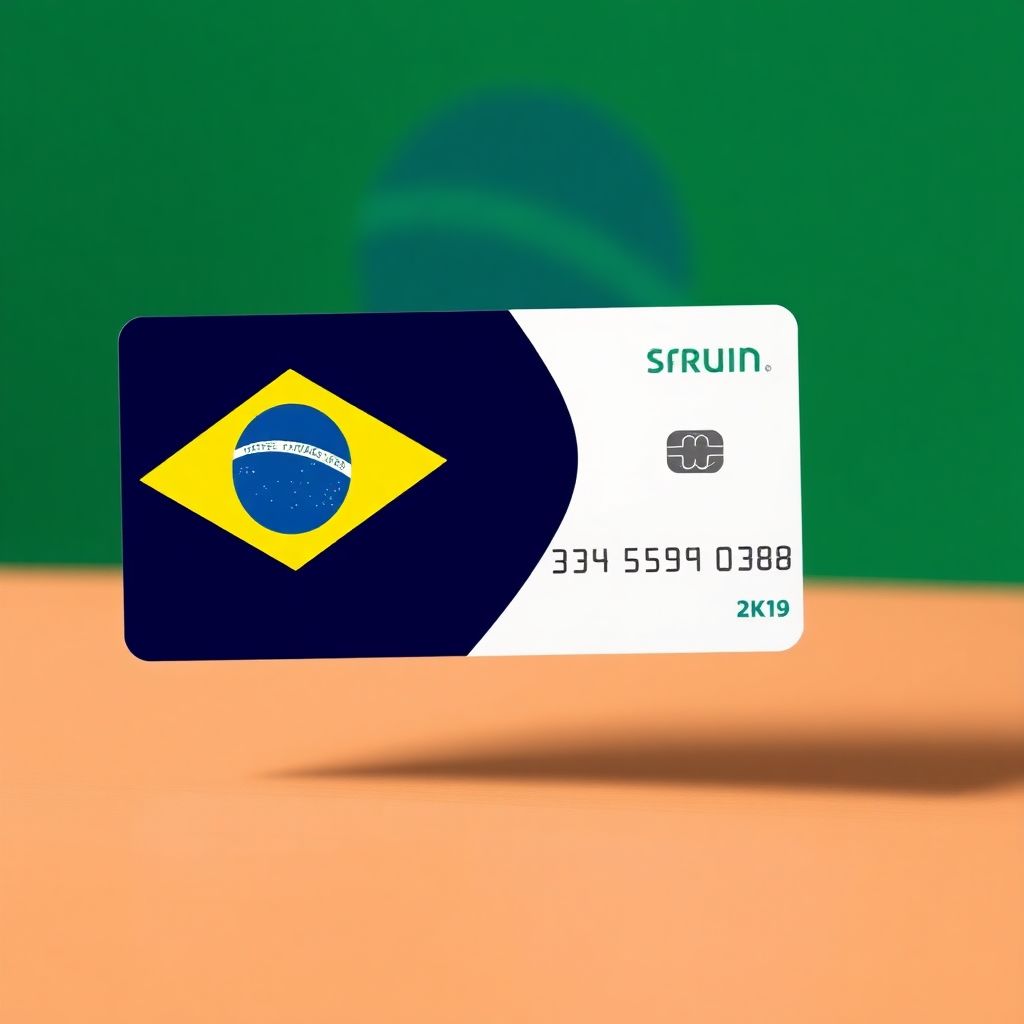
OKX is reshaping the way Brazilians interact with digital finance by introducing tools that turn stablecoins into practical, everyday money. With the launch of its new stablecoin wallet and Mastercard-linked debit card in Brazil, the global crypto exchange aims to simplify access to U.S. dollar-equivalent assets, enabling Brazilian users to save, earn, and spend in stablecoins both locally and internationally.
The initiative targets a longstanding challenge in Brazil’s financial landscape: high costs and inefficiencies associated with accessing U.S. dollars. Traditionally, Brazilians looking to hedge against the volatility of the Brazilian Real or preparing for international travel have relied on informal and expensive dollar brokers. These services often carry hidden fees and offer little consumer protection. OKX is positioning its new offerings as a modern, regulated digital alternative.
The newly launched OKX Pay and OKX Card bring a seamless integration between stablecoins and Brazil’s fast-payment infrastructure, PIX. Through OKX Pay, users can instantly convert Brazilian Reais into stablecoins like USDT or USDC using the PIX system. The process is nearly instantaneous and eliminates the need for intermediaries. The wallet goes beyond simple currency conversion—it also acts as a yield-generating account, offering users up to 10% annual percentage yield (APY), calculated daily and paid out weekly, all without lock-up periods or minimum deposit requirements.
The OKX Card, a Mastercard debit card, links directly to users’ OKX Pay balances and supports both digital and physical payments. Compatible with Apple Pay and Google Wallet, the card enables users to spend their stablecoins anywhere Mastercard is accepted, online or in physical stores. Transactions in foreign currencies are settled at real-time market rates, eliminating typical conversion spreads and avoiding Brazil’s IOF (Tax on Financial Operations) that usually applies to foreign transactions.
This integrated solution creates a full financial loop within the OKX ecosystem: users can hold their funds in a stable digital dollar format, earn interest, and spend it globally without ever needing to convert back into the local currency. This model is particularly attractive in Brazil’s economic environment, where inflation and currency depreciation remain ongoing concerns.
In addition to addressing local financial inefficiencies, OKX’s offering represents a broader push toward financial inclusion. By reducing reliance on traditional banking infrastructure and bypassing costly financial intermediaries, the platform empowers more Brazilians to participate in the global digital economy. It also provides a safer, more transparent alternative to the informal dollar market that many have historically depended on.
While stablecoins have long been used for trading and remittances, OKX’s move signals a shift toward their mainstream use as a practical financial tool. The ability to earn yield on dollar-denominated balances, avoid hidden conversion fees, and access funds globally could mark a turning point in how consumers perceive and use stablecoins.
The launch also showcases the growing role of blockchain infrastructure in consumer finance. OKX Pay is built on the company’s proprietary X Layer blockchain, which uses zero-knowledge proofs to enhance privacy and security. This technical foundation ensures that transactions remain both fast and secure, suitable for everyday use by non-technical users.
A key differentiator for OKX is its focus on self-custody. Unlike traditional digital wallets where a third party holds user funds, OKX allows users to maintain full control over their assets. This is especially relevant in emerging markets like Brazil, where trust in financial institutions can be limited.
Moreover, the platform’s yield-generation features are designed to democratize access to what was once a privilege of institutional investors. With no lock-up periods or high minimums, even everyday users can benefit from passive income on their stablecoin holdings.
This development also aligns with broader trends in Latin America, where the use of stablecoins and digital wallets has surged in response to inflation, economic instability, and limited access to foreign currency. Countries like Argentina and Venezuela have seen widespread adoption of crypto as a financial lifeline, and Brazil’s robust fintech ecosystem makes it a natural next frontier.
Looking ahead, OKX’s success in Brazil could serve as a blueprint for similar launches in other emerging markets. By offering a frictionless, transparent, and cost-effective way to access and use digital dollars, the company is not only challenging traditional financial players but also setting a new standard for what consumer crypto finance can look like.
The impact of OKX’s initiative may extend beyond individual consumers. It could pressure traditional banks and dollar brokers to lower fees and increase transparency, fostering a more competitive and customer-centric financial ecosystem in Brazil.
In summary, OKX’s launch of a stablecoin wallet and Mastercard debit card in Brazil represents a significant step toward mainstream adoption of digital assets. By combining the stability of the U.S. dollar with the flexibility of blockchain technology, OKX is enabling Brazilians to save, earn, and spend in a way that’s more efficient, secure, and globally accessible than ever before.