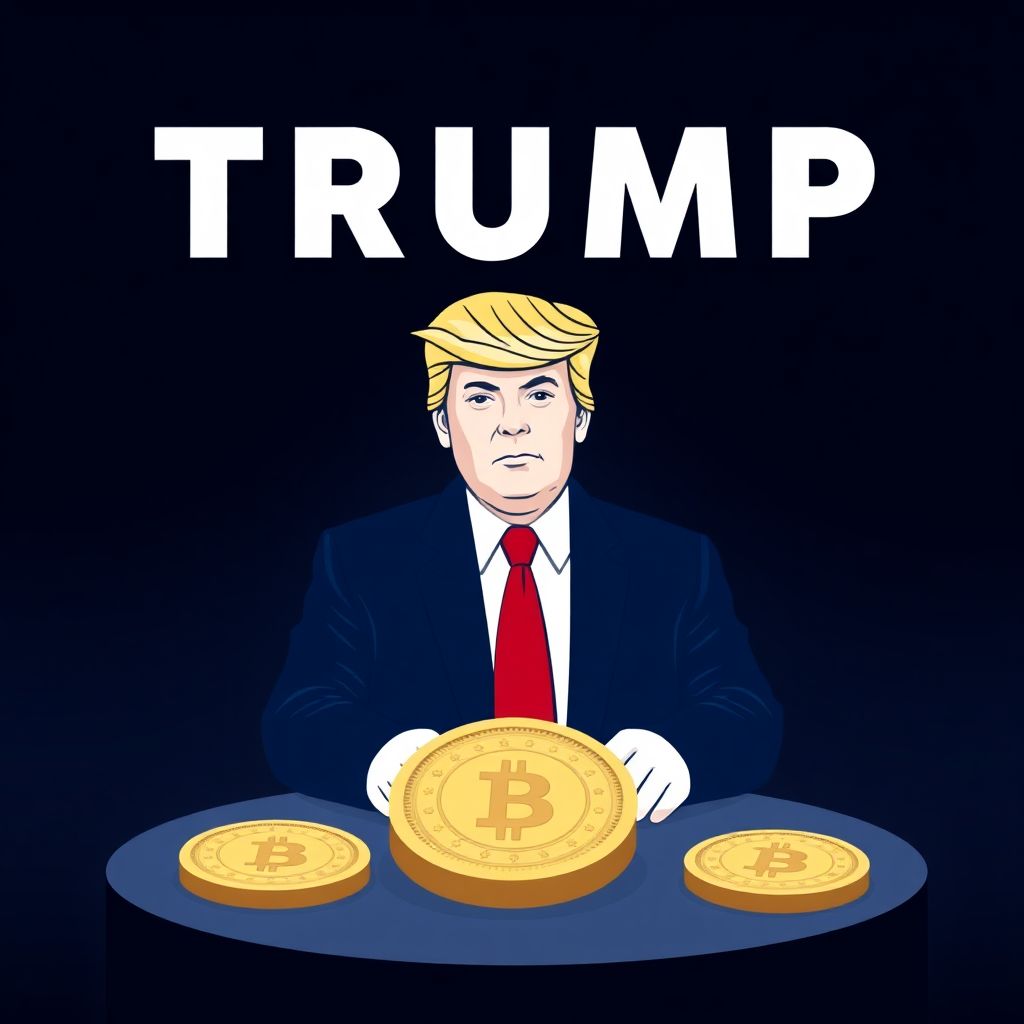
The issuer behind the Donald Trump-themed memecoin is preparing to launch a new digital asset treasury firm, with plans to raise between $200 million and $1 billion. This strategic initiative is intended to support the ailing TRUMP token, which has seen a steep decline in value, and to further expand Trump-related ventures within the cryptocurrency landscape.
Fight Fight Fight LLC, the company responsible for the TRUMP memecoin, is leading the fundraising effort. The firm is headed by Bill Zanker, a close ally and long-time promoter of Trump. While the final fundraising target is still under negotiation, insiders familiar with the matter suggest that the project is in its early stages and may not ultimately come to fruition.
The planned Digital Asset Treasury (DAT) would be tasked with acquiring and managing Trump-affiliated digital assets, including the TRUMP token, which has significantly depreciated since its peak earlier this year. Once trading as high as $44, the token’s value has now plummeted to approximately $8. This decline has prompted a renewed effort to stabilize the token’s price and rebuild investor confidence.
This is not Zanker’s first attempt to inject life into the Trump crypto brand. The TRUMP token, built on the Solana blockchain, was launched shortly before Trump’s second presidential inauguration. Its release generated significant buzz thanks to its controversial imagery — a cartoon version of Trump raising his fist following an attempted assassination — which initially helped attract attention but failed to maintain long-term momentum.
In May, Trump even hosted a private dinner for major holders of the memecoin, as part of a broader social media initiative orchestrated by Fight Fight Fight LLC to strengthen community involvement. However, an earlier plan to roll out a Trump-branded digital wallet was abandoned after a disagreement with World Liberty Financial, another Trump-linked crypto enterprise.
Interestingly, World Liberty Financial’s own token, WLFI, is already being purchased by ALT5 Sigma, another digital asset treasury firm. This has led analysts to draw parallels between ALT5 Sigma and the upcoming DAT, raising questions about whether both firms could be working towards consolidating control over Trump-related crypto assets within a small group of interconnected entities.
The Trump family’s involvement in digital assets has expanded significantly over the past year. Their ventures now span across Bitcoin mining, stablecoin development, and even exchange-traded crypto funds. This growing digital footprint aligns with Trump’s public statements promising a “golden age for crypto,” though critics have voiced concerns about potential conflicts of interest and personal financial gain.
Political and cultural reactions to Trump-themed memecoins continue to be polarizing. Some figures, such as California Governor Gavin Newsom, have responded with satire — for instance, launching a “Corruption Token” mocking Trump’s crypto endeavors. Meanwhile, other Trump-linked projects like Trumpbucks, a stablecoin pegged to the U.S. dollar and affiliated with World Liberty Financial, remain active and promote loyalty among Trump supporters.
Despite the market downturn, Zanker’s push to establish the Digital Asset Treasury suggests that the Trump crypto ecosystem is not retreating. Instead, it appears to be evolving into a more structured and possibly institutionalized operation, with goals that extend beyond mere speculation.
The potential creation of such a treasury firm also reflects a broader trend in the crypto space: the emergence of digital asset treasuries as a means to manage and stabilize volatile token economies. These entities typically accumulate assets to provide liquidity, reduce market manipulation risks, and maintain investor trust — all of which could help reignite interest in Trump-branded coins.
Moreover, the development of a formal treasury system may hint at ambitions to create a more robust financial infrastructure around Trump’s digital assets. If successful, it could pave the way for more mainstream adoption of politically-themed cryptocurrencies, a niche that remains controversial but undeniably influential.
The DAT could also serve as a testing ground for integrating traditional political branding with decentralized finance (DeFi) tools. With the right partnerships and regulatory alignment, such a model might appeal to a broader base, not just Trump supporters, but also politically engaged investors seeking alternative vehicles for expression and speculation.
Still, significant hurdles remain. Regulatory scrutiny is intensifying globally, particularly for politically tied cryptocurrencies. U.S. regulators are closely monitoring crypto projects that may overlap with campaign financing, money laundering, or market manipulation. Should the DAT proceed, it will likely face detailed compliance checks, especially given the high-profile nature of its affiliations.
In the long term, the success of the Trump Digital Asset Treasury will depend not only on the capital it can secure but also on its ability to deliver transparency, utility, and strategic value to token holders. If these goals are met, the DAT could become a pioneering example of how political identity and blockchain technology can intersect in the digital age.
As crypto markets mature, the fusion of pop culture, politics, and blockchain is expected to become more prevalent. Whether that leads to meaningful innovation or further speculation remains to be seen — but one thing is clear: the Trump memecoin saga is far from over.