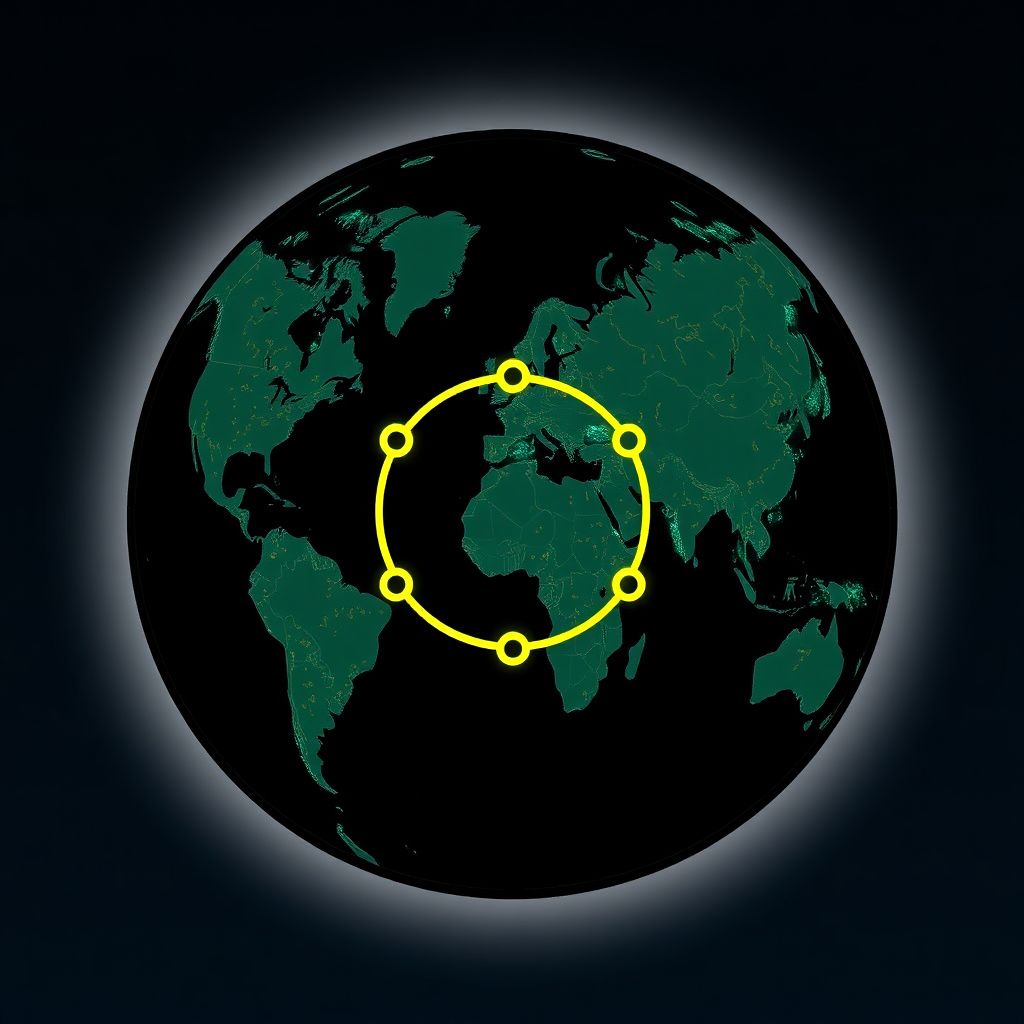
The Decentralized Map That Pays for What Google Gets for Free
OpenLedger, a blockchain-based infrastructure company focused on artificial intelligence and data transparency, has introduced SenseMap — an innovative decentralized mapping network that rewards users for submitting real-world data. Unlike traditional platforms such as Google Maps, which rely on user contributions without compensation, SenseMap incentivizes its community to provide verified, on-chain geographic and contextual data.
At its core, SenseMap allows individuals to upload real-time information, including street conditions, crowd size, safety levels, and noise levels. This data is recorded and validated on the blockchain, ensuring transparency and permanence. The platform’s mission is to build a global map that is not only decentralized and open-source but also shaped and owned by the people who use it.
“Conventional maps often miss out on hyperlocal insights,” explained Ram Kumar, a lead contributor at OpenLedger. “SenseMap empowers local users to bridge those gaps by contributing real-time data on things like traffic bottlenecks, neighborhood safety, and accessibility details. It’s a system where the community builds the map together.”
Verified Data Through Blockchain and Community Validation
Each data point added to SenseMap is linked to a unique, verified on-chain identity. Before any contribution becomes part of the official map, it undergoes a validation process by community-approved reviewers. These validators earn credibility over time based on the accuracy of their assessments. The more reliable a contributor becomes, the more influence they hold in the ecosystem.
On the flip side, users who submit misleading or low-quality data can lose reputation, reducing the visibility and impact of their future contributions. This gamified reputation system helps maintain a high standard of accuracy across the platform without centralized oversight.
A Challenge to the Status Quo
Google Maps, while a dominant force in digital cartography, depends heavily on unpaid user-generated data. Whether it’s business reviews, updated hours, or traffic reports, much of the platform’s value is derived from crowd-sourced information. However, users are rarely compensated for their input. SenseMap turns this model on its head by financially rewarding contributors with tokens, creating a built-in incentive for active participation.
This approach aligns with the broader Web3 philosophy — decentralizing control, sharing value, and enabling users to benefit directly from the data they produce. By integrating blockchain technology, OpenLedger ensures that data attribution is transparent, traceable, and tamper-proof.
Use Cases and Impact of SenseMap
SenseMap isn’t just a technical novelty; it has real-world applications with the potential to impact urban planning, disaster response, tourism, and public safety. For example, during natural disasters, real-time updates about blocked roads or shelter locations can be rapidly shared by local users and verified by peers. Tourists in unfamiliar cities can access crowd-sourced insights on safe travel routes or accessible locations for individuals with disabilities.
Moreover, municipalities and urban planners can tap into aggregated, anonymized data from SenseMap to identify underserved areas, improve infrastructure, and make data-driven decisions that reflect actual human behavior rather than abstract metrics.
Monetizing Local Knowledge
SenseMap introduces a new economic model that places value on previously overlooked information — the kind of hyperlocal, real-time data that only community members can provide. As contributors provide data, they earn tokens that can potentially be traded or used for services within the SenseMap ecosystem. This mechanism not only encourages participation but also ensures that the map evolves dynamically, reflecting real-world changes as they happen.
It’s a stark contrast to corporate mapping systems, where user data is monetized by the platform without sharing the rewards. SenseMap flips that model, offering both ownership and compensation to contributors.
The Role of AI in Data Accuracy
To maintain the integrity of the data, SenseMap employs artificial intelligence alongside community validation. AI algorithms help flag anomalous or potentially fraudulent entries for further human review. This hybrid model ensures that the system scales efficiently while maintaining a high level of trustworthiness.
Over time, the AI learns from validation patterns, enabling faster and more accurate assessments of new data. This feedback loop enhances the reliability of the platform as it grows.
Challenges Ahead
Despite its promise, SenseMap faces significant hurdles. Competing against the scale, user base, and brand recognition of Google Maps is no small task. Additionally, ensuring consistent data quality while avoiding spam or malicious entries is a persistent challenge for any open platform.
There are also questions around user adoption. For a decentralized mapping network to be truly useful, it needs a critical mass of contributors and validators. Without widespread participation, its utility could remain limited to niche communities.
Integration With the Broader Web3 Ecosystem
SenseMap is not just a standalone product; it’s part of OpenLedger’s broader vision of a decentralized, AI-driven data infrastructure. Data collected via SenseMap could eventually be used to train AI models, optimize logistics, improve real-time navigation tools, and even contribute to the development of virtual worlds in the metaverse.
By integrating with other blockchain-based services, SenseMap could also facilitate cross-platform collaboration, enabling developers to build apps that leverage its rich dataset while maintaining user privacy and data sovereignty.
Potential for DAO Governance
In the future, SenseMap could evolve into a decentralized autonomous organization (DAO), allowing token holders to vote on platform upgrades, data policies, and reward structures. This would shift governance into the hands of the community, ensuring that the platform remains aligned with the needs and values of its users.
A Step Toward Data Ownership Revolution
SenseMap represents a broader movement toward reclaiming ownership of personal data. In a world where tech giants monetize our digital footprints, platforms like SenseMap offer a vision where individuals are not just passive data generators but active stakeholders in the digital ecosystems they help build.
While it may take time to reach mainstream adoption, the project marks a significant step toward a more equitable data economy — one where contributors are seen, rewarded, and empowered. If successful, SenseMap could redefine how we think about maps, data, and the value of local knowledge in the digital age.