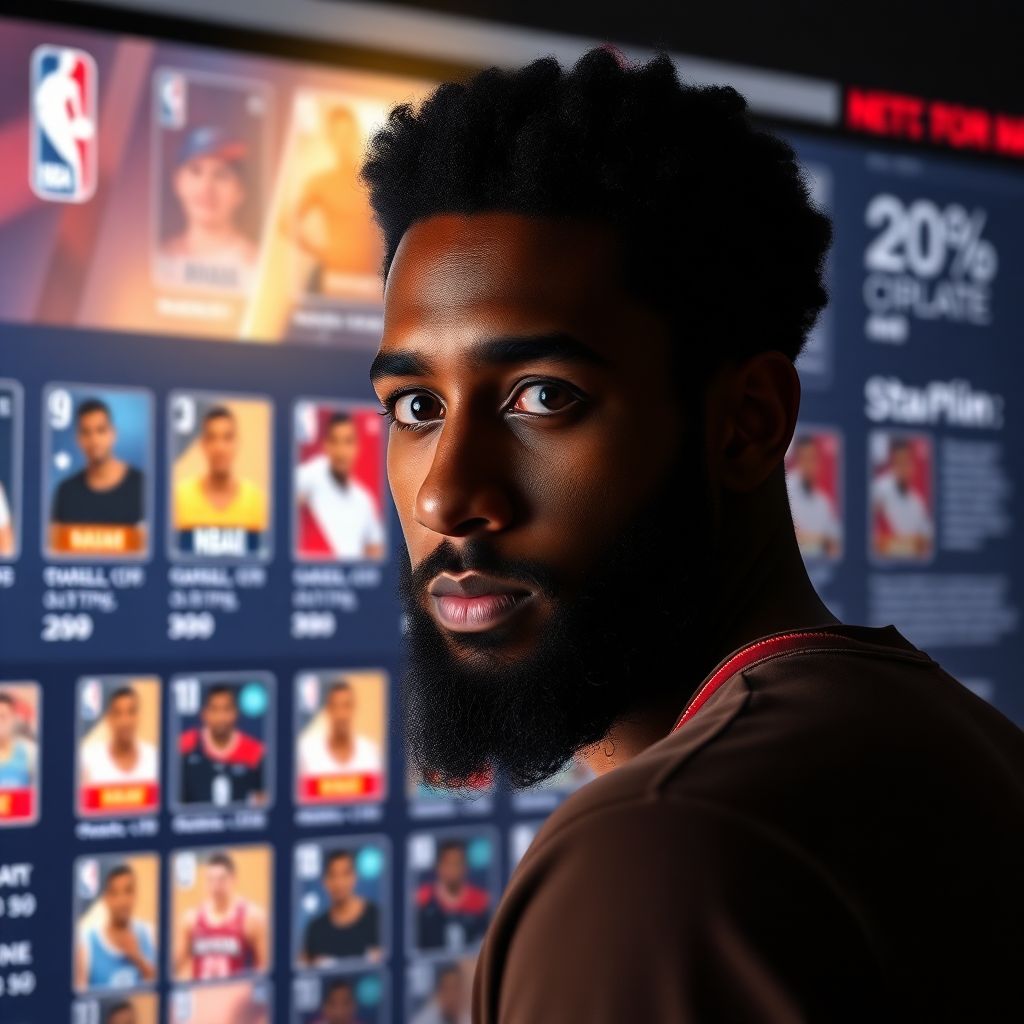
Basketball.fun Targets Base Network and Marketplace Debut as Tristan Thompson Exits Project
Basketball.fun, a crypto initiative centered on NBA fandom and digital player cards, is reshaping its roadmap and communication after the quiet departure of former Cleveland Cavaliers center Tristan Thompson from his advisory role. At the same time, the project is preparing a marketplace launch and offering refunds to early supporters who do not want to wait for the next development phase.
According to a statement shared with media, Thompson-who had been positioned as an early backer and advisor-no longer has an active role in the project. He framed his exit as a natural transition as the platform matures under the leadership of its core development partner.
“I’m proud to have helped support the vision in its early days,” Thompson said. “As the platform continues to develop, the team at Improbable is taking the lead on the project and I’ve stepped back from any active involvement.”
Basketball.fun was created in collaboration with Improbable, the company best known in Web3 circles for building Somnia, a layer-1 network aimed at powering large-scale virtual worlds and interoperable metaverse experiences. Within this ecosystem, Basketball.fun is pitched as a way for basketball fans to collect, trade, and eventually use digital player cards in an interactive, crypto-native environment.
Since January, the project has allowed users to buy packs of digital player cards, positioning them as on-chain collectibles with potential future utility. These packs represent the first wave of assets in what the team has described as a broader “basketball universe” powered by blockchain. However, the key infrastructure needed to give these cards real liquidity and in-game or experiential utility-a dedicated marketplace-is still under development.
To keep user expectations in check while development continues, Basketball.fun has started processing refunds for anyone unwilling to continue waiting for the marketplace to go live. The team’s stance is that early adopters should not feel locked into a long, uncertain timeline, especially after a prominent public figure like Thompson has stepped away from the project.
The refund option is also a signal that the team is sensitive to the broader backdrop of skepticism around athlete-endorsed crypto projects. High-profile promotions have often been followed by delays, regulatory scrutiny, or abandoned roadmaps in the wider industry. By offering a clear exit path for users, Basketball.fun appears to be trying to differentiate itself from projects that simply “move on” without addressing early supporters’ concerns.
A central part of the next chapter is the project’s interest in Base, the Ethereum layer-2 network incubated by Coinbase. While the team has not publicly disclosed a final technical layout, Basketball.fun is exploring Base as a potential foundation for its marketplace and broader ecosystem. For a fan-focused platform dealing in relatively low-cost digital collectibles, a scalable, low-fee environment is critical, and Base offers faster transactions and cheaper gas compared to Ethereum mainnet.
Running on a layer-2 like Base would also make it easier for Basketball.fun to appeal to non-technical basketball fans who are new to crypto. Lower transaction fees and a smoother user experience are vital if the project wants to attract a mainstream audience instead of limiting itself to hardcore Web3 users. Integrations with popular wallets and simplified onboarding flows could become as important as the cards themselves.
The departure of Thompson raises an obvious question: how central was he to the original pitch? In many sports-related crypto projects, celebrity athletes often serve primarily as marketing engines-boosting visibility and trust but rarely driving day-to-day development decisions. Basketball.fun’s messaging now emphasizes that Improbable and the core product team are steering the project’s vision, suggesting that the technical roadmap does not hinge on any single personality.
For users who bought packs earlier this year, the main tension lies between potential upside and the discomfort of waiting. On one hand, those who hold their cards and wait for the marketplace launch could benefit if the platform gains traction and demand for certain players or rarities increases. On the other hand, the crypto and NFT markets have cooled significantly from their peak, and some collectors would rather reclaim their funds than speculate on a future launch date and adoption curve.
The decision to honor refunds may also help Basketball.fun manage reputational risk. If the marketplace takes longer than expected or the launch happens into a weak market, early users who chose to exit will be less likely to feel misled. For those who stay, the relationship with the project becomes more clearly voluntary and long-term: they are consciously choosing to back a developing ecosystem rather than expecting quick returns.
Beyond the immediate marketplace delay, the project sits at the intersection of several trends reshaping digital fandom. Sports fans increasingly expect more than static collectibles. The next wave of fan engagement tools aims to blend ownership, gameplay, and live experiences-think fantasy-style mechanics, on-chain achievements, or in-arena perks tied to wallet holdings. If Basketball.fun can deliver something along these lines, its cards could evolve from simple images into access tokens for events, games, or metaverse experiences powered by Somnia’s infrastructure.
A move to Base could also open doors to composability with other applications in the same ecosystem. For example, user-owned basketball cards might be usable in third-party fantasy leagues, mini-games, or virtual courts created by external developers, assuming smart contract standards and APIs are designed with openness in mind. This kind of interoperability is often cited as a key advantage of Web3 versus closed, single-platform sports games.
The Thompson exit highlights another lesson for both projects and users: personality-driven promotion is inherently fragile. Athletes’ careers, public image, and interests can shift quickly, leaving fans unsure what remains once the spotlight moves on. For long-term sustainability, a sports crypto project needs more than a star face; it needs consistent development, transparent communication, and a product that can stand on its own merits.
For Basketball.fun, the next few milestones will be crucial. Delivering a functional, user-friendly marketplace, clarifying its integration with Base or other networks, and outlining concrete use cases for the cards beyond mere collecting will all shape how the project is perceived. Clear timelines, regular product updates, and visible technical progress will likely do more for the platform’s credibility than any single celebrity endorsement.
In the meantime, users are split into two camps: those taking the refund option as a way to de-risk in an uncertain market, and those holding onto their packs in hopes that the eventual marketplace and ecosystem will justify their early support. How well Basketball.fun navigates this delicate period-balancing transparency, product delivery, and realistic expectations-will determine whether it becomes just another experiment in sports crypto or a lasting hub for digital basketball fandom.