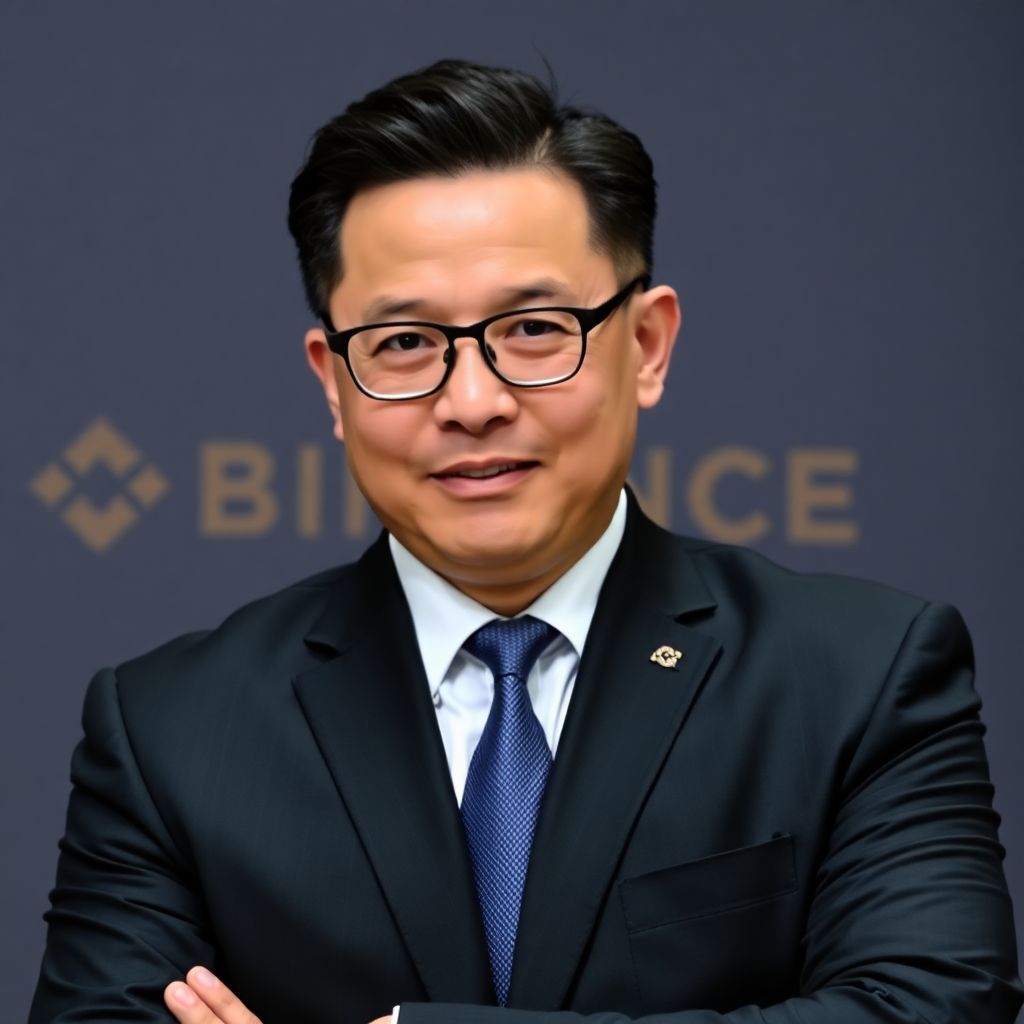
Trump Reportedly Mulls Presidential Pardon for Binance Founder CZ Amid Broader Crypto Turmoil
Former Binance CEO and co-founder Changpeng Zhao, widely known as CZ, may be on the verge of a dramatic redemption arc as former U.S. President Donald Trump is said to be weighing the possibility of granting him a presidential pardon. This comes amid rising tensions on the global stage, heightened scrutiny of cryptocurrency operations, and an increasingly volatile digital asset market.
According to reports from political insiders, confidential discussions are underway within Trump’s circles concerning Zhao’s legal fate. The proposed pardon appears to be rooted in the belief among some of Trump’s advisers that the charges brought against CZ were either overblown or not proportionate to his actions. They argue that Zhao’s sentence—four months in federal prison following a high-profile plea deal—may have been excessive given the nature of his offenses.
In 2023, Zhao pleaded guilty to failing to maintain an adequate anti-money laundering (AML) program at Binance, a violation of the U.S. Bank Secrecy Act. U.S. authorities accused the platform of facilitating the flow of illicit funds, including transactions tied to sanctioned countries and entities like North Korea’s Lazarus Group. The Department of Justice’s investigation ultimately culminated in one of the largest corporate penalties in U.S. history: a $4.3 billion settlement from Binance.
As part of this agreement, Zhao stepped down from his executive role, distancing himself from the day-to-day operations of the exchange but still maintaining a significant ownership stake. While a presidential pardon would legally clear Zhao of his conviction, it would not automatically reinstate him as the face of Binance due to ongoing compliance obligations imposed by U.S. regulators. The exchange remains under the oversight of an independent compliance monitor for several years, limiting Zhao’s potential to return to a leadership position in the near term.
The timing of this prospective pardon is equally critical. The U.S. government is currently grappling with multiple geopolitical crises, including escalating conflicts in Ukraine and Gaza, and is entangled in an intensifying trade standoff with China. Trump, in a recent statement, threatened to impose a sweeping 100% tariff on all Chinese imports in retaliation for China’s upcoming export restrictions, which are set to take effect in late 2025.
These macroeconomic developments have sent shockwaves through global markets, with the cryptocurrency sector feeling the brunt of investor anxiety. The total crypto market capitalization has dropped by over 9.6%, now hovering around $3.72 trillion. Bitcoin itself has seen a 7.8% plunge, trading at approximately $111,900.
If granted, a pardon for Zhao could have far-reaching implications beyond his personal legal record. It may signal a broader shift in how U.S. leadership views crypto entrepreneurs, potentially softening the regulatory stance against blockchain innovators. Trump’s interest in Zhao’s case could also be interpreted as a political move to attract the crypto community’s support ahead of an election cycle where digital assets may become a key issue.
It’s worth noting that Zhao remains a polarizing figure in the industry. While some view him as a visionary who helped democratize global finance, others see him as emblematic of the risks associated with loosely regulated platforms. Binance, under his leadership, grew into the world’s largest crypto exchange but was frequently accused of sidestepping financial regulations in multiple jurisdictions.
A pardon might also reignite questions about CZ’s long-term ambitions. Though he has publicly stated that he’s stepping away from executive roles, industry watchers speculate that Zhao may still exert influence behind the scenes or even launch new ventures under a different banner. With a cleared record, those possibilities become more viable.
Additionally, legal experts caution that a pardon would not shield Zhao or Binance from future investigations or lawsuits. Regulatory bodies in Europe, Asia, and other regions continue to scrutinize the exchange’s compliance track record. The U.S. government’s stance on crypto remains fragmented, with multiple agencies—such as the SEC, CFTC, and FinCEN—jockeying for jurisdiction over different aspects of the industry.
Meanwhile, the crypto community is closely monitoring developments, with many seeing the potential pardon as a litmus test for how seriously political leaders are beginning to engage with digital asset regulation. Some analysts believe that if Trump follows through, it could set a precedent for future administrations to consider clemency for other high-profile figures in the crypto sphere.
On the corporate side, Binance has been attempting to rebuild its image, investing heavily in compliance infrastructure and hiring former regulators to lead its legal and risk teams. These moves suggest that, regardless of Zhao’s legal status, the company is preparing for a long-term future under stricter oversight.
Finally, it remains uncertain whether Zhao would even accept a pardon, as doing so typically implies an admission of guilt. However, given that he has already pled guilty, this concern may be less relevant in his case. What’s more important is how a pardon could shape public perception, both of him and the broader crypto industry.
In conclusion, while a Trump-issued pardon for CZ is still in the realm of political speculation, the mere possibility adds a new layer of complexity to the already turbulent world of crypto governance. As regulatory frameworks evolve and digital assets become increasingly mainstream, the intersection of politics, law, and blockchain technology will likely grow deeper and more consequential.