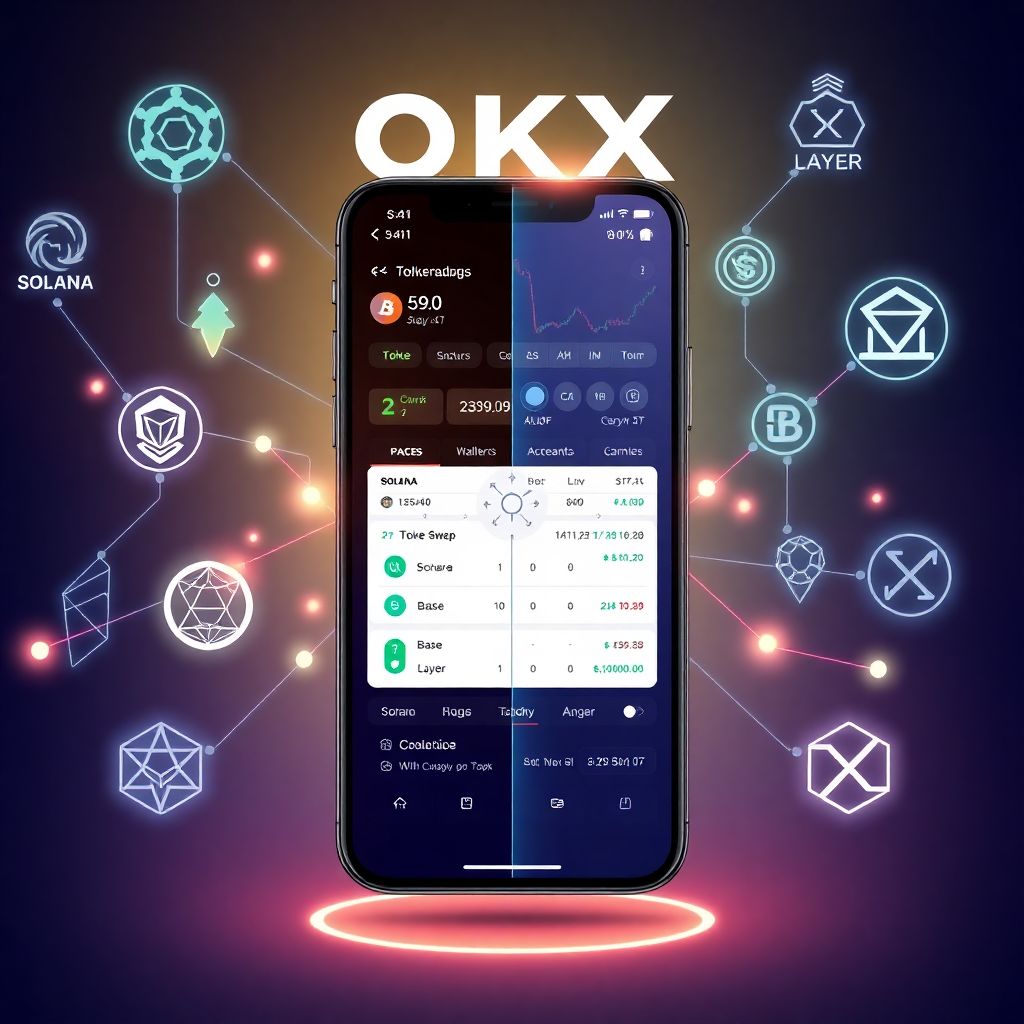
OKX has unveiled a significant enhancement to its trading ecosystem by integrating decentralized exchange (DEX) functionality directly into its mobile application. This new feature, known as CeDeFi trading, offers users—both in the U.S. and globally—direct access to DEX tokens across the Solana, Base, and X Layer networks without leaving the OKX platform.
With this launch, OKX bridges the long-standing gap between centralized and decentralized trading environments. By embedding decentralized trading into its centralized interface, the platform aims to simplify the user experience while providing the benefits of both models. Traders can now interact with decentralized markets using self-custody wallets, which incorporate passkey-based authentication to enhance security and ease of use.
Traditionally, accessing decentralized exchanges required users to grapple with complex processes such as managing seed phrases, manually bridging assets across different blockchains, and ensuring they had the correct native tokens to pay for gas fees. These tasks created barriers for less tech-savvy users and limited the broader appeal of DeFi. OKX’s new solution eliminates these pain points by handling the technical backend through a unified app experience, giving users more time and confidence to focus on their trading strategies.
The self-custody wallet provided within the OKX app ensures that users retain full control over their private keys and digital assets. This setup reduces reliance on third-party wallets and minimizes exposure to potential vulnerabilities associated with external bridges. The wallet’s passkey authentication also adds an extra layer of protection, aligning with current best practices in Web3 security.
OKX’s CeDeFi model—short for Centralized-Decentralized Finance—represents a hybrid approach that combines the liquidity, order execution speed, and user-friendliness of centralized exchanges with the transparency, asset control, and innovation of decentralized platforms. This integration seeks to serve a growing demographic of users who demand both convenience and autonomy in their crypto experience.
A key feature of this release is the intelligent order routing system embedded in the app. This system scans over 100 liquidity pools across supported blockchains, ensuring that trades are executed at the most competitive rates available. This kind of routing minimizes slippage and enhances price efficiency, which is especially crucial for traders operating across volatile markets.
To explore these decentralized assets, users can navigate to the “Explore” section or use the search function in the OKX app. This allows them to discover emerging tokens before they are listed on traditional centralized exchanges, potentially gaining early exposure to promising new projects.
Moreover, OKX’s move comes at a time when regulatory landscapes in the U.S. are becoming increasingly complex. By offering decentralized access within a compliant framework, OKX is positioning itself to meet both user demand and regulatory expectations. This could serve as a strategic advantage, allowing the platform to expand its footprint in markets that are traditionally cautious about DeFi.
The decision to launch across multiple chains—Solana, Base, and X Layer—demonstrates OKX’s commitment to interoperability and multi-chain support. Solana is known for its high-speed, low-cost transactions, while Base and X Layer offer scalable infrastructure for Ethereum-compatible applications. This variety enables users to interact with a broad selection of decentralized ecosystems from one interface.
In the broader context of crypto adoption, this development signifies a shift toward more accessible and user-centric DeFi solutions. As more platforms begin to integrate decentralized features into centralized services, the industry may see a blurring of lines between CEX and DEX platforms, fostering a more integrated financial environment.
Furthermore, institutional and retail interest in DeFi continues to grow, but onboarding remains a challenge due to technical complexities. OKX’s CeDeFi rollout could serve as a model for how platforms can lower the entry barriers while maintaining the core principles of decentralization.
Looking ahead, OKX may expand its CeDeFi offering to include additional networks and token types, further enriching the ecosystem. There is also potential for integrating advanced trading tools, such as automated strategies and portfolio analytics, within the CeDeFi framework to attract more sophisticated users.
In sum, OKX’s new decentralized trading capability marks a pivotal step in making DeFi more accessible, secure, and practical for a global audience. By marrying the best aspects of both centralized and decentralized finance, the exchange is not only enhancing user experience but also setting a new standard for hybrid crypto platforms.