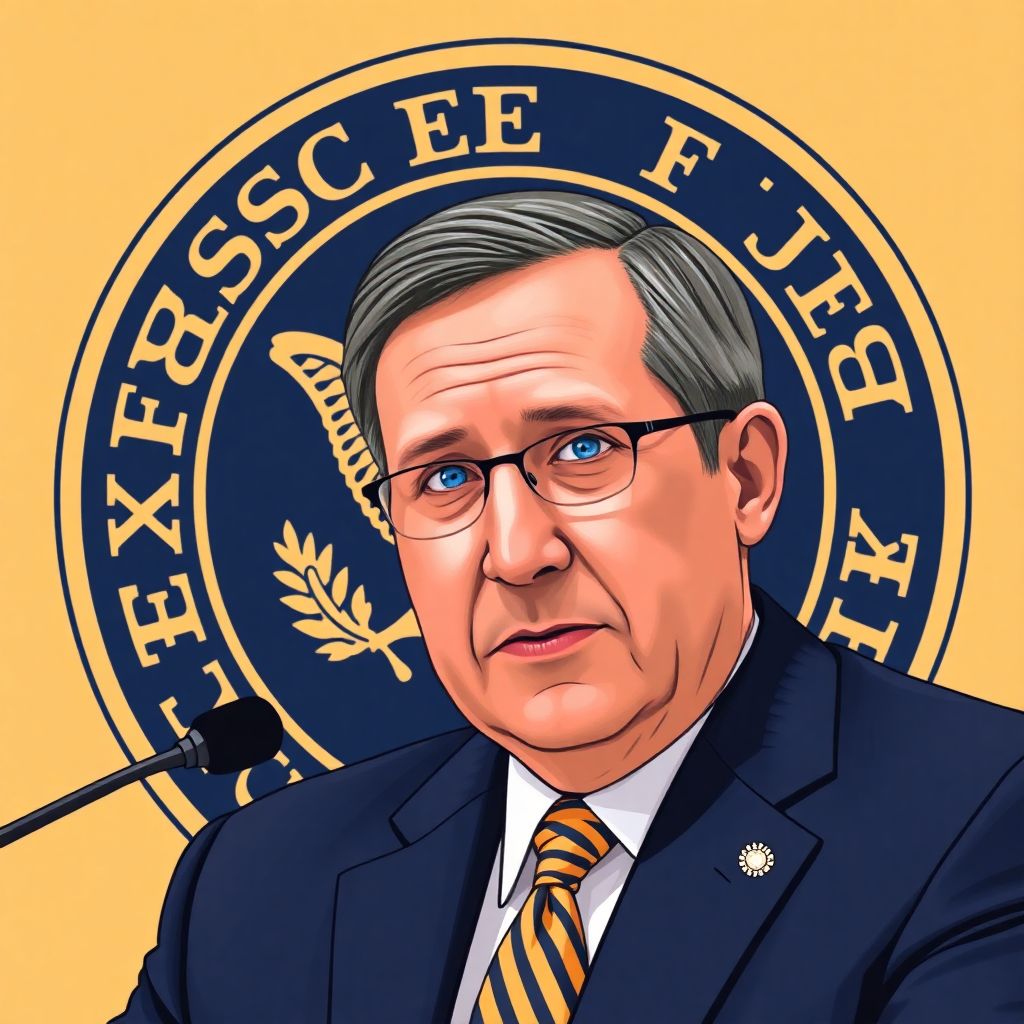
SEC Chair Paul Atkins has unveiled a strategic blueprint for redefining how cryptocurrencies are categorized under U.S. securities law. Speaking during a policy forum at the Federal Reserve Bank of Philadelphia, Atkins elaborated on a forthcoming initiative aimed at providing clearer distinctions among various types of digital assets. This move is part of the broader regulatory shift initiated under the Trump administration, particularly through an internal SEC effort known as “Project Crypto.”
Atkins emphasized that the primary objective of this framework is to establish a consistent taxonomy that determines which digital tokens qualify as securities and which do not. This initiative arrives amid increased legislative momentum on Capitol Hill to bring clarity and structure to the crypto space.
“In the months ahead, we expect the Commission to deliberate on a comprehensive classification system rooted in the long-standing Howey Test, which defines what constitutes an investment contract,” Atkins stated. He acknowledged, however, that there are practical limits to applying existing securities laws to rapidly evolving digital technologies.
The planned framework divides tokens into four main categories:
1. Digital Commodities or Network Tokens – These are tokens designed to facilitate access to a decentralized network or protocol. Atkins noted that these do not qualify as securities since their purchasers typically do not anticipate profits driven by third-party managerial efforts.
2. Digital Collectibles – Often referred to as NFTs (non-fungible tokens), these assets are primarily used for personal enjoyment or identity, rather than financial gain. As such, they fall outside securities regulation.
3. Digital Tools – These tokens function as utility instruments within a specified ecosystem, offering access to specific services or products. Again, the expectation of profit is not central to their purchase, exempting them from securities classification.
4. Tokenized Securities – In contrast, these digital assets represent ownership in traditional financial instruments such as equity or debt. As such, they meet the legal definition of securities and fall squarely under the SEC’s jurisdiction.
Importantly, Atkins clarified that token classification is not static. A digital asset initially sold as a security may evolve over time. Once the investment contract underlying the sale has fulfilled its purpose, subsequent trades of that token may no longer be considered securities transactions. “A token’s origins do not necessarily dictate its regulatory status in perpetuity,” he said.
This nuanced approach aims to reflect the dynamic nature of blockchain-based assets while ensuring investor protection remains a top priority. The framework has been shaped by months of public engagement, including extensive roundtables, over 100 meetings with industry stakeholders, and a substantial number of written comments.
Atkins underscored the importance of regulatory clarity for fostering innovation in the digital asset sector. The lack of consistent federal guidelines has created uncertainty for developers and investors alike. By offering a well-defined taxonomy, the SEC hopes to encourage responsible growth while curbing fraudulent or manipulative practices.
Additionally, this move could pave the way for more targeted legislation. Congressional leaders have been pushing for laws that better define the roles of regulatory agencies like the SEC and the Commodity Futures Trading Commission (CFTC) in overseeing digital assets. A clear framework from the SEC could serve as a foundational reference point for future legislation.
The chair also hinted at the possibility of adaptive regulation, suggesting that the Commission may revisit classifications as technologies mature and use cases evolve. This flexibility is crucial in a market where innovation often outpaces regulation.
Legal experts note that aligning token classification with the Howey Test provides a familiar legal grounding. However, they caution that applying a test developed in 1946 to modern decentralized systems will require thoughtful interpretation and perhaps new judicial precedents.
Industry participants have long expressed frustration over regulatory ambiguity, particularly the “regulation by enforcement” approach the SEC has often been accused of. Atkins’ announcement represents a shift toward more proactive and transparent policymaking. This change may help bridge the divide between regulators and innovators, promoting compliance while allowing room for technological advancement.
In summary, the SEC’s forthcoming token classification framework marks a pivotal step in aligning regulatory oversight with the realities of the digital asset economy. By categorizing tokens based on their function and investor expectations, the Commission seeks to strike a balance between innovation and investor protection. While challenges remain, this initiative is a clear signal that U.S. regulators are moving toward a more structured and collaborative approach to crypto policy.
Looking ahead, the effectiveness of this taxonomy will depend on how well it is implemented and whether it can adapt to future developments in blockchain technology. The industry will be watching closely as the SEC translates this vision into actionable rules and guidance.