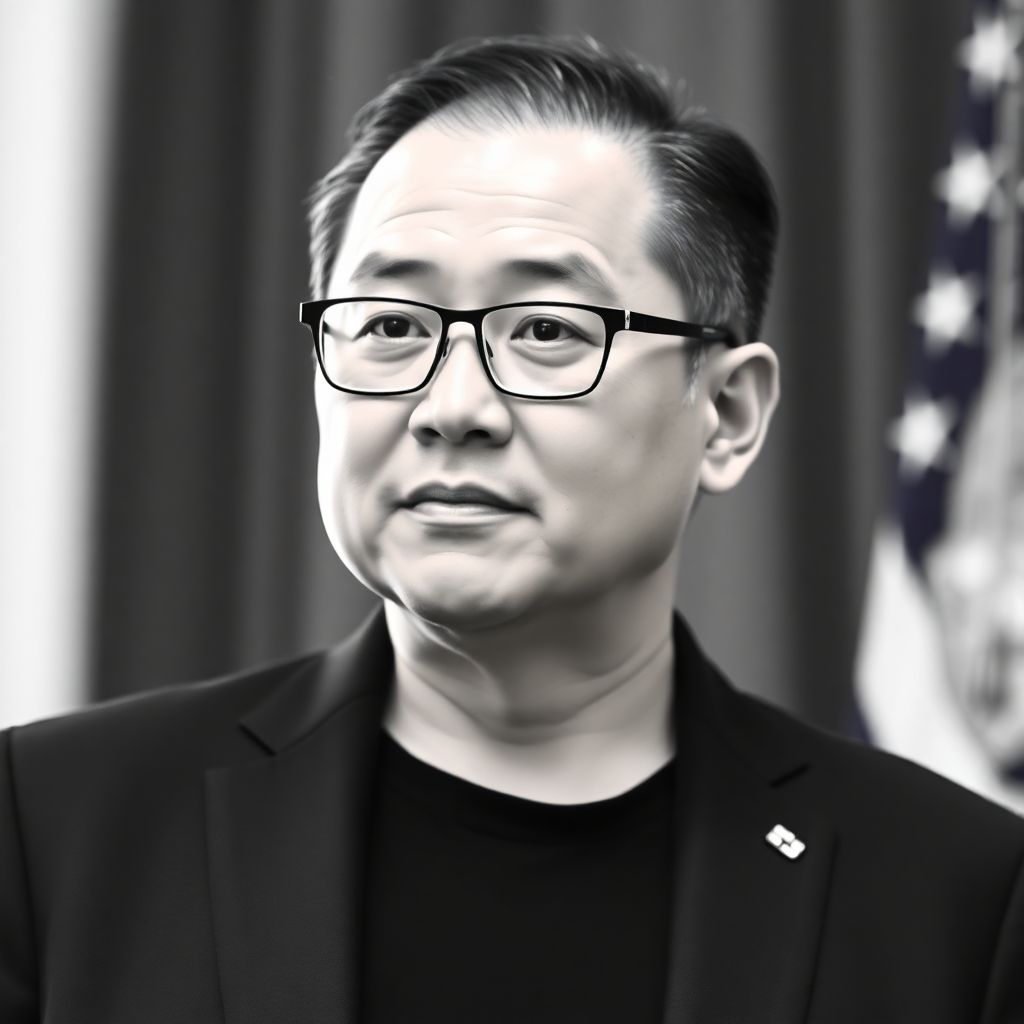
Binance founder Changpeng Zhao, widely known in the crypto industry as CZ, has expressed astonishment after receiving a presidential pardon from former U.S. President Donald Trump. In a recent interview, Zhao underscored that he has had no prior business dealings or personal connections with either the Trump family or their alleged cryptocurrency project, World Liberty Financial.
Responding to speculation that his legal team coordinated with Trump’s circle to secure clemency, Zhao firmly denied any such arrangements. “There was no backroom deal, no negotiations, and no involvement with World Liberty Financial,” he said. He emphasized that neither he nor Binance has ever been affiliated with the Trump family or their associates in a business capacity.
The pardon, which took many by surprise, came after Zhao pleaded guilty to violating U.S. anti-money laundering laws. The U.S. Department of Justice had accused Binance of intentionally courting American users while disregarding regulatory obligations, thereby exposing the U.S. financial system to risks.
Despite the severity of the charges, Zhao voluntarily traveled from a non-extradition country to the United States to face the legal process. “It was important for me to take responsibility and address the situation head-on. That’s why I chose to come to the U.S. willingly,” Zhao told Fox Business.
His decision to plead guilty made him the first known first-time offender in the United States to receive a prison sentence for a single non-fraud-related violation. While Zhao’s legal team submitted a petition for a presidential pardon in April, Zhao claimed he had no knowledge that it was under serious consideration until the pardon was granted.
“I had no communication about the status of the petition. It came as a complete surprise,” said Zhao. “But it marks the end of a difficult chapter. I’m grateful for the opportunity to move forward.”
Former President Trump, when asked about the pardon, responded dismissively, stating that he had no personal knowledge of Zhao. “I don’t know him. My sons are involved in crypto, and I’m happy they’re doing well, but I’m not familiar with this person,” Trump commented.
Zhao confirmed that he and Trump have never met or spoken. The closest encounter was a brief introduction to Eric Trump at the Bitcoin MENA conference in Abu Dhabi, which Zhao described as a casual and non-substantive meeting.
Contrary to reports that Binance attempted to forge a relationship with World Liberty Financial in order to leverage political connections for Zhao’s legal benefit, Zhao insisted those claims are entirely fabricated. “There have been no talks, no collaborations, no strategies involving them. These rumors are completely baseless.”
The Wall Street Journal had previously reported that during the 2024 election cycle, Zhao’s representatives allegedly reached out to Trump allies to explore options for resolving Binance’s legal challenges. The outlet also suggested that Binance sought to align with World Liberty Financial as part of a broader clemency strategy. Zhao categorically dismissed the narrative, calling it “inaccurate and misleading.”
While the pardon has sparked debate within the crypto and legal communities, many view it as a pivotal moment for Zhao and for Binance. With legal battles behind him, Zhao appears focused on turning the page and focusing on future ventures, although he has not revealed any specific plans yet.
The broader implications of Zhao’s pardon are still unfolding. Some legal experts argue it may set a precedent for how white-collar crimes, particularly in the digital asset space, are handled under shifting political landscapes. Others worry it could embolden bad actors in the crypto world who see political connections as a means of avoiding accountability.
Meanwhile, Binance continues to operate under increased regulatory scrutiny worldwide. The company has reportedly implemented a series of compliance overhauls and internal audits in an effort to rebuild trust with regulators and users alike.
In the eyes of many in the crypto community, Zhao remains a polarizing figure — heralded by some as a visionary who helped shape the modern crypto exchange ecosystem, and criticized by others for the legal controversies surrounding his leadership.
The pardon also raises questions about the intersection of politics and cryptocurrency. As digital assets become more mainstream, their entanglement with political power structures may become increasingly common. This case illustrates how legal outcomes in the crypto realm can be influenced not just by financial regulations, but also by political dynamics.
Looking ahead, Zhao has hinted at writing a memoir to reflect on his journey, from building the world’s largest crypto exchange to facing U.S. legal challenges and ultimately receiving a presidential pardon. “That’s the last chapter of my book,” he said. “Now, I’m focused on what’s next.”
In the rapidly evolving world of digital finance, Zhao’s story is a stark reminder of both the opportunities and risks that come with operating on the frontier of innovation. Whether he returns to a leadership role in the crypto space or chooses a more reserved path remains to be seen. However, one thing is clear: his legal saga marks a turning point not just for him, but for the crypto industry as a whole.