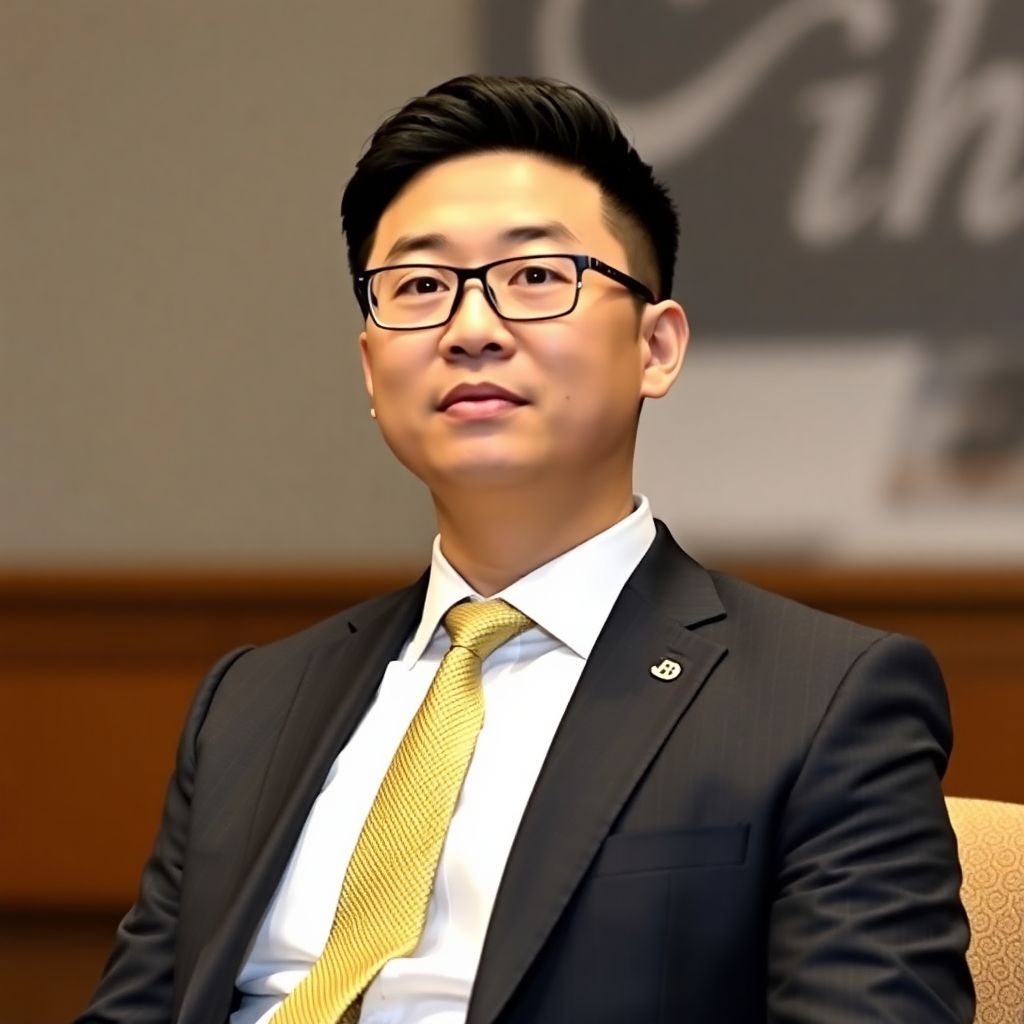
Binance co-founder Changpeng “CZ” Zhao has firmly dismissed any claims tying him or his company to former U.S. President Donald Trump or his family, following a surprise presidential pardon that cleared Zhao’s criminal record. The pardon, issued in October 2025, drew widespread attention, sparking rumors and speculation about possible political connections or behind-the-scenes deals.
In a televised interview with FOX News on November 7, CZ expressed genuine astonishment at the decision, stating he was “a little bit surprised” by the pardon. The crypto entrepreneur had previously pleaded guilty to violations of the Bank Secrecy Act in 2023, which included failing to ensure Binance had proper anti-money-laundering (AML) controls. As part of the plea deal, Zhao stepped down as CEO and agreed to pay a staggering $4.3 billion in fines on behalf of the company. He also served a four-month prison sentence, from which he was released in September 2024.
Despite his legal troubles, Zhao maintained that there was no lobbying effort via business arrangements to secure his pardon. Addressing rumors of potential connections with Trump’s sons or their ongoing crypto venture, World Liberty Financial, CZ was unequivocal: “That’s completely not accurate. There’s no deal, there has never been any discussions. It’s as simple as that.”
Trump himself addressed the controversy earlier in a November 3 interview, clarifying that he had no personal relationship with Zhao. He attributed the push for the pardon to his sons, who, according to him, believed Zhao had been unfairly targeted. The former president’s move has been framed by some as part of a broader attempt to reverse the Biden administration’s perceived hostility toward the crypto sector.
White House Press Secretary Karoline Leavitt further reinforced this narrative, stating that the pardon was intended to “officially end the Biden administration’s war on the cryptocurrency industry.” She pointed to the administration’s support for the GENIUS Act, a legislative package aimed at clarifying crypto regulations and encouraging innovation within the U.S.
CZ welcomed these regulatory developments. Reflecting on his own legal ordeal, he acknowledged that the U.S. crypto landscape lacked clear rules at the time of his charges. “Even when I was charged and pleaded guilty, there wasn’t any clear regulatory framework for crypto in the US,” he said. “I think now it’s getting much clearer, and the U.S. is definitely taking the lead.”
Zhao emphasized that pleading guilty was a strategic decision to address the compliance gaps at Binance transparently and move forward. “It was the best way to confront the problem and solve it head-on,” he explained, suggesting that his focus remains on contributing positively to the crypto ecosystem.
Despite the controversies, Zhao’s influence in the blockchain world remains significant. Under his leadership, Binance grew into the largest cryptocurrency exchange globally, servicing millions of users and playing a pivotal role in the adoption of digital assets. Though currently distanced from day-to-day operations, CZ continues to be seen as a key voice in shaping the future of digital finance.
The pardon has also reignited debates over the role of political influence in legal outcomes for high-profile figures in tech and finance. Critics argue that such decisions risk undermining accountability, while supporters view them as necessary corrections to overly aggressive regulatory enforcement.
Beyond the legal and political dimensions, this incident has sparked broader discussions about the intersection of cryptocurrency and governance. As governments worldwide grapple with how to regulate decentralized technologies, the United States’ evolving stance could set critical precedents. The GENIUS Act, for instance, proposes clearer definitions, licensing procedures, and consumer protections—measures that could attract more institutional players into the crypto space.
Additionally, Zhao’s case highlights the growing pains of a rapidly maturing industry. Once considered the “Wild West” of finance, the crypto sector is now being pushed toward institutional legitimacy. Experts argue that increased regulation, while potentially stifling in the short term, could pave the way for broader adoption and integration into mainstream financial systems.
There’s also an increasing call for global regulatory coordination. With crypto exchanges operating across borders, inconsistencies in national policies can create loopholes and enforcement challenges. Industry leaders, including Zhao, have previously advocated for international cooperation to build a unified framework that balances innovation with consumer protection.
Meanwhile, the controversy over Zhao’s pardon has also cast a spotlight on the role of political families in the digital asset space. While Trump’s sons reportedly supported the decision, their involvement in crypto-related ventures has drawn scrutiny. Analysts caution that such entanglements could complicate public perception and raise questions about conflicts of interest.
Looking ahead, the future of Binance and its founder remains uncertain but promising. With his legal record cleared, Zhao may find new opportunities to re-engage with the industry—either as a mentor, investor, or policy advocate. His experience navigating both explosive growth and regulatory pressure positions him uniquely as a thought leader in crypto’s next chapter.
In summary, Zhao’s surprise pardon has not only cleared his legal slate but also reignited key discussions around regulation, political influence, and the future of cryptocurrencies. Whether viewed as controversial or justified, the event underscores the increasing entanglement of digital finance with global politics—a trend unlikely to reverse anytime soon.