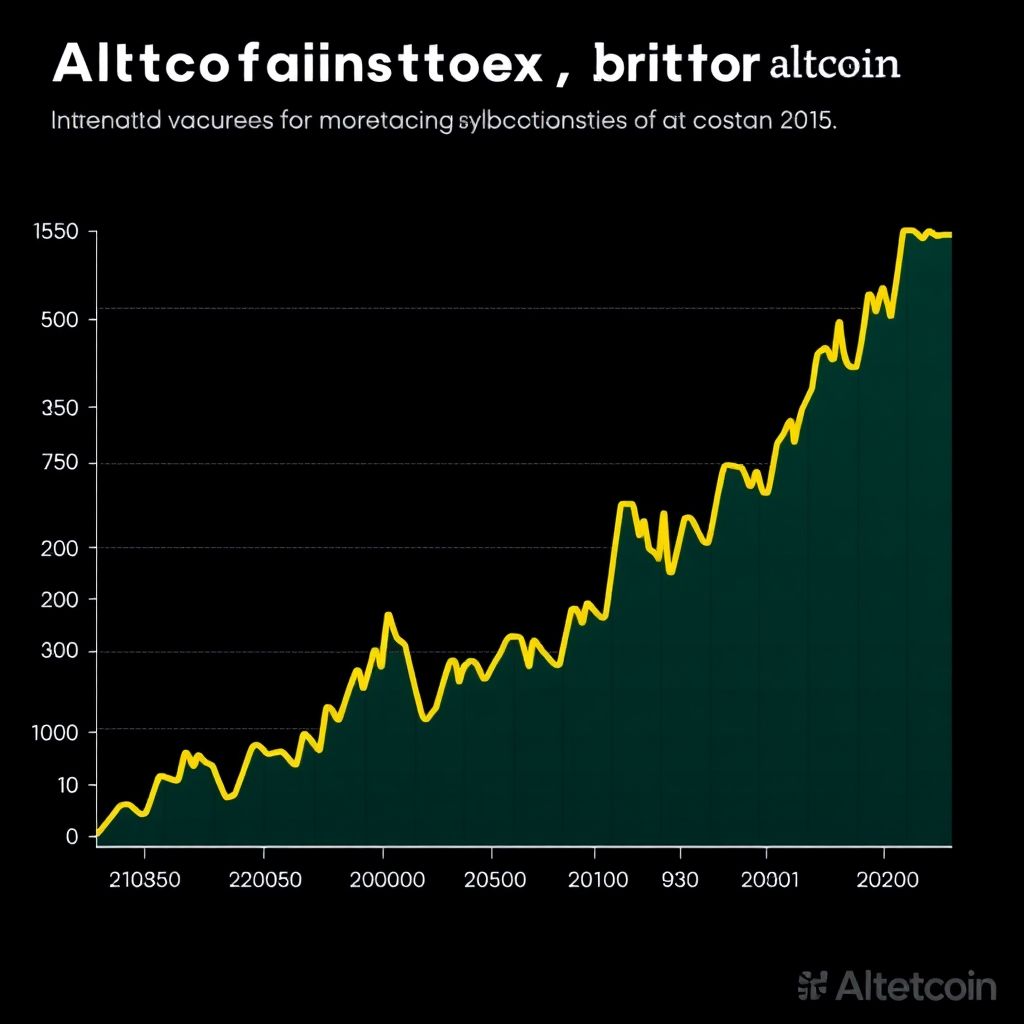
Altcoin trading volume has recently surged to account for 51% of the total crypto market activity, which at first glance might suggest a resurgence of interest in alternative cryptocurrencies. However, a closer look at Bitcoin’s growing market dominance paints a more cautious picture for altcoin enthusiasts.
While increased altcoin volume may seem like a bullish signal for these assets, it does not necessarily indicate the start of an altseason—a period when altcoins significantly outperform Bitcoin. Historical data reveals that similar volume spikes occurred in late September and throughout February, yet both periods were characterized by declining altcoin prices punctuated by short-lived recoveries. This pattern suggests that the elevated volume was likely driven by selling pressure rather than organic growth or investor optimism.
Adding to the bearish sentiment is the struggle of the altcoin market capitalization to consistently stay above the $1.13 trillion level. This threshold represents the peak from the 2021 bull cycle and remains a formidable resistance point. Without a decisive breakout beyond this level, confidence in a full-scale altcoin rally remains restrained.
A key factor influencing current market dynamics is the rising Bitcoin Dominance (BTC.D), which has been steadily climbing over the past two months. Recently, it approached the important resistance level of 60.5%. A rising BTC Dominance generally signals that Bitcoin is capturing more of the overall market share, often at the expense of altcoins. When BTC.D trends higher, it typically means Bitcoin is outperforming the broader altcoin market—especially during periods of uncertainty or macroeconomic stress.
From a technical perspective, the long-term trend for Bitcoin Dominance remains bullish, with swing highs on the weekly chart reinforcing expectations of further gains. If this trend continues, altcoins could face additional downward pressure in the short to medium term.
Investor sentiment has been further complicated by on-chain metrics. Despite noticeable selling activity from long-term Bitcoin holders, the asset has managed to maintain a price above $100,000. This resilience is supported by increasing network activity, strong miner engagement, and a low Market Value to Realized Value (MVRV) ratio—all of which suggest Bitcoin may be laying the groundwork for another upward move.
This combination of factors—rising BTC dominance, a stagnant altcoin market cap, and selling pressure despite high altcoin volume—implies that the market is currently in a corrective phase rather than at the start of a new altcoin-led rally. If anything, this may be a temporary reset within an ongoing bull market, rather than the onset of a bear cycle. But until Bitcoin’s dominance starts to decline meaningfully, altcoins are unlikely to lead the charge.
For investors and traders, this environment calls for strategic caution. While some altcoins may present short-term opportunities, the broader trend suggests that capital is gravitating toward Bitcoin. This shift could persist until macroeconomic or market-specific catalysts emerge to reverse the current sentiment.
To navigate these conditions, market participants should consider several key strategies:
1. Focus on Bitcoin for Stability: With BTC showing signs of fundamental strength, it may serve as a safer haven during this phase. Allocating a greater portion of the portfolio to Bitcoin could help reduce volatility exposure.
2. Selective Altcoin Exposure: Not all altcoins are created equal. Investors should prioritize projects with strong fundamentals, unique use cases, and active ecosystems. Avoid speculative tokens that rely heavily on hype or influencer-driven pumps.
3. Watch BTC.D Closely: Bitcoin Dominance remains one of the most reliable metrics for gauging risk appetite across the crypto market. A sustained downturn in BTC.D could be the first signal that capital is rotating back into altcoins.
4. Assess Macro Factors: Global financial markets, interest rate policies, and regulatory developments continue to impact crypto sentiment. Keeping an eye on broader economic indicators can help anticipate shifts in crypto market direction.
5. Utilize Technical Indicators: Tools like Relative Strength Index (RSI), Moving Averages, and key support/resistance levels can offer insights into potential entry and exit points, especially in a volatile environment.
6. Risk Management Is Key: Given the high-risk nature of crypto investments, setting stop-loss levels, managing position sizes, and avoiding over-leveraging are essential practices to preserve capital.
7. Prepare for Volatility: Even during market corrections, sudden price spikes or drops are common. Staying informed and maintaining a flexible strategy can help investors react effectively to market moves.
8. Don’t Chase the Market: Avoid making impulsive decisions based on fear of missing out (FOMO). Instead, rely on analysis and a long-term investment thesis.
9. Monitor On-Chain Data: Metrics such as exchange inflows/outflows, wallet activity, and miner behavior provide clues about market sentiment and potential trend reversals.
10. Stay Patient: Markets go through cycles, and while altcoins may be lagging now, they could outperform in the future once conditions shift. Patience and discipline can often be more rewarding than chasing short-term gains.
In summary, while the increase in altcoin volume might seem promising, it is not a definitive signal of an altseason. The overarching trend remains bearish for many altcoins as long as Bitcoin continues to dominate both in price performance and market share. Investors would do well to stay focused, informed, and cautious in the face of these mixed signals.